2026/27 Learner and Employer Pathway
Strategic Pathway Project Controls Professional Level 6
Build strategic project-controls capability through six clearly structured pathway credits, from project leadership to programme, portfolio and PMO decision-making.
2 Credits
PMP Strategic Project Leadership
1 Credit
AI in Project Controls
1 Credit
Programme Management
1 Credit
Portfolio Management
1 Credit
PMO Leadership
Your credit journey
Understand the complete pathway before exploring each credit
Each credit develops a distinct area of strategic capability and produces practical evidence that can be applied in the workplace.
PMP Strategic Project Leadership
Leadership, governance, delivery confidence, business outcomes and strategic decision-making.
AI in Project Controls
Governed automation, data models, dashboards, human approval and responsible AI use.
PRINCE2 Programme Management
Programme vision, governance, dependencies, assurance, outcomes and benefits.
PRINCE2 Portfolio Management
Prioritisation, investment, portfolio balance, capacity and strategic alignment.
PMI-PMOCP Preparation and PMO Leadership
PMO mandate, operating model, services, maturity, leadership and value delivery.
Need help selecting the right route?
The admissions team can review your role, prior learning, employer support and evidence opportunities before the training plan is agreed.
1–2Two credits · Eight months
PMP Exam Preparation and Strategic Project Leadership
Connect project-controls evidence with leadership, governance, delivery systems and business outcomes to support stronger strategic decisions.
Strategic project leadership
- People and stakeholder leadership
- Governance and decision rights
- Predictive, hybrid and agile delivery
- Strategic alignment and communication
Value and delivery confidence
- Scope, schedule, cost and quality
- Risk, assumptions and trade-offs
- Benefits and business outcomes
- Recovery and evidence-based recommendations
More about Credits 1–2
Learning focus
- Team performance and conflict management
- Stakeholder engagement and coaching
- Scope, schedule, cost, quality and risk
- Compliance and organisational change
- AI, sustainability and decision scenarios
- Structured professional exam preparation
Certification position
PMP is independently awarded by the Project Management Institute. Candidates must satisfy PMI eligibility, application, examination and maintenance requirements. KBC preparation does not guarantee certification.
AI in Project Controls Certificate
Build governed AI workflows, dashboards and decision-support tools around real project-controls problems.
What you will develop
- Reusable prompt systems
- Governed project-controls data models
- n8n automation and approval gates
- Dashboards and bounded AI agents
- AI policy, assurance and accountability
Indicative workplace output
A governed project-controls workflow, dashboard or bounded AI agent with validated inputs, human approval and auditable outputs.
PRINCE2 Programme Management
Apply programme-management principles to organise complex change, coordinate projects and sustain strategic outcomes and benefits.
What you will develop
- Programme purpose and vision
- Governance, sponsorship and decision rights
- Benefits realisation
- Tranche and dependency planning
- Assurance and stakeholder commitment
Indicative workplace output
Programme governance map, benefits management strategy, dependency and tranche roadmap, assurance plan and programme-controls dashboard.
PRINCE2 Portfolio Management
Create an enterprise view of investment, prioritisation, risk, benefits and delivery capacity across projects and programmes.
What you will develop
- Strategic alignment
- Investment prioritisation
- Portfolio balance
- Capacity and constraints
- Benefits, performance and governance
Indicative workplace output
Portfolio prioritisation model, investment decision pack, capacity view, strategic risk heatmap and benefits dashboard.
PMI-PMOCP Preparation and PMO Leadership
Design, assess and improve a value-oriented PMO that fits organisational strategy, culture, maturity and delivery needs.
What you will develop
- PMO purpose and mandate
- Operating-model design
- PMO services and customers
- Value measurement
- Maturity, improvement and leadership
Indicative workplace output
PMO value proposition, operating model, service catalogue, maturity roadmap, performance scorecard and executive proposal.
Expert-led learning
Learn from recognised project controls, portfolio and PMO specialists
The pathway connects professional frameworks with practical insight from experienced specialists working across project controls, portfolios, governance and delivery leadership.
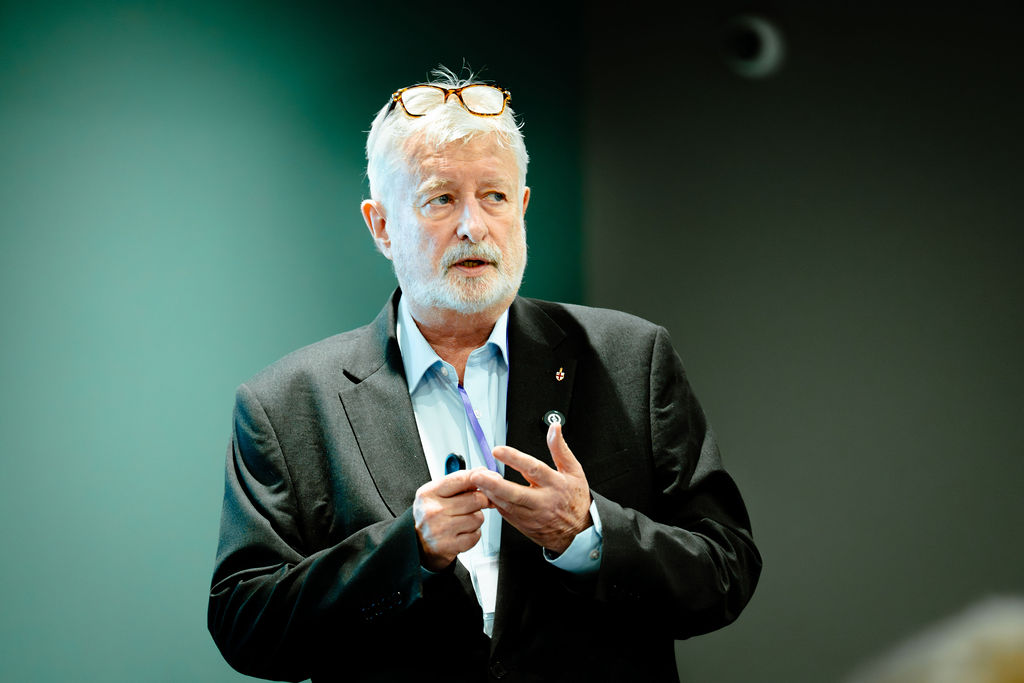
Project controls standards
Steven Wake
Recognised contributor to earned value management, project controls standards and professional practice.
Project controls · Standards · Governance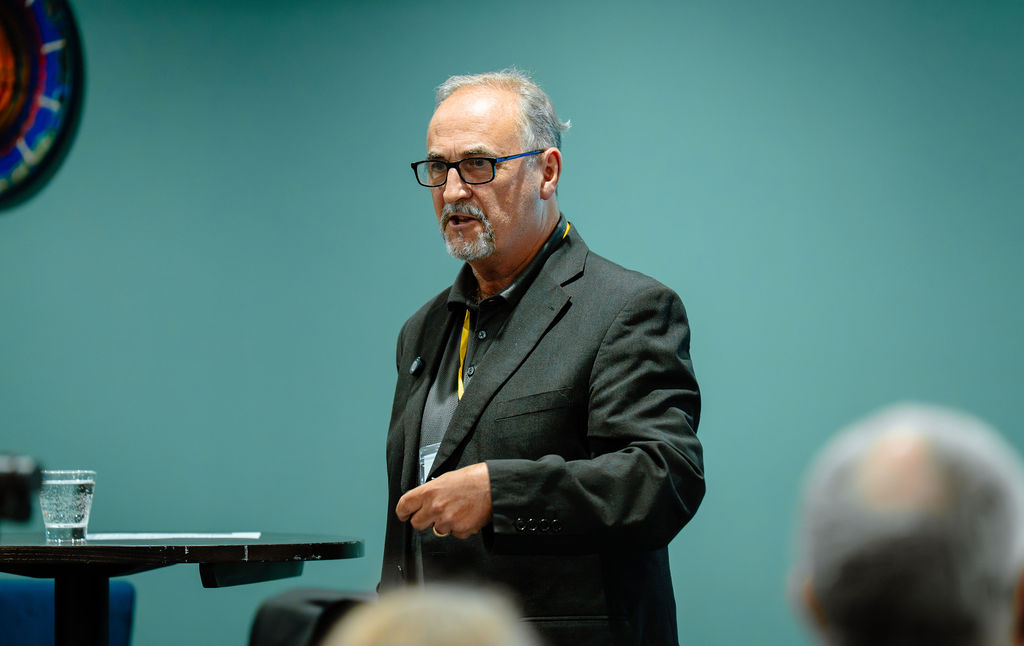
Portfolio and benefits
Stephen Jenner
Specialist in management of portfolios, benefits realisation and portfolio governance.
Portfolios · Benefits · Strategic alignment
Project controls education
Dr Amgad Badewi
Project controls researcher and professional-development specialist with extensive education experience.
Research · Education · Professional development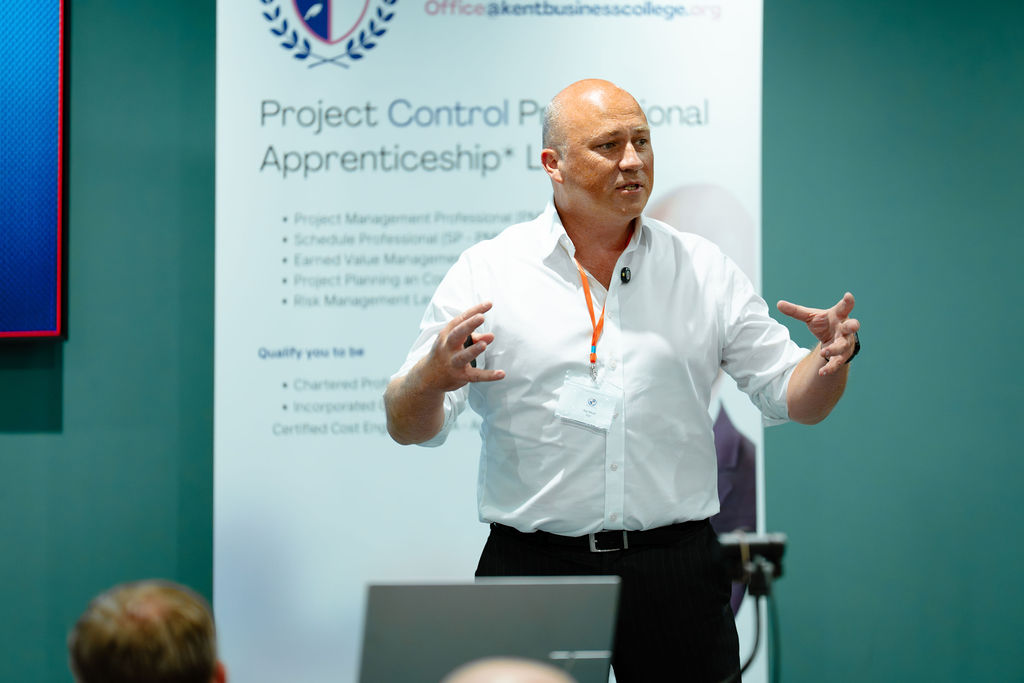
PMO and transformation
Ray Mead
Advisor focused on Project Management Office leadership, organisational governance and transformation.
PMO · Governance · TransformationWho should apply?
For professionals who use controls evidence to influence decisions
The pathway is designed for experienced professionals with access to suitable strategic activity, credible workplace evidence and employer support.
Project-controls leadership
Professionals responsible for integrated controls, performance, forecasting and delivery confidence.
Heads of project controls
Project controls managers
Senior planning and cost professionals
Risk and assurance practitioners
Programme and portfolio roles
Professionals connecting project evidence with programme outcomes, investment priorities and organisational capacity.
Programme-controls professionals
Portfolio governance specialists
Transformation professionals
Benefits and investment roles
PMO and delivery leadership
Professionals shaping governance, assurance, decision support and delivery capability.
Heads of PMO
PMO managers
Strategic delivery leaders
Governance and assurance professionals
Role suitability: a senior job title is not enough. The role must provide a substantial link to ST0845, suitable workplace activity and enough scope to develop significant new occupational competence.
Eligibility criteria
Could this apprenticeship pathway be right for you?
Kent Business College completes a role, suitability, prior-learning and funding review before enrolment. Use this guide and quick check as an initial indication only.
UK resident for the past 3 years
You must have lived in the UK for the past 3 years.
Must not require sponsorship to work
You must hold a British Passport, Indefinite Leave to Remain, or a Tier 2 visa with at least three years of UK residency.
Not enrolled in other government-funded training
You must not be enrolled in other government-funded training at the time of this programme.
Self-employed individuals are not eligible
Self-employed individuals are not eligible for DfE funding.
Paid employment in England
You must be in paid employment in England, normally 30+ hours per week, with a minimum of 16 hours.
Employer based in England
Your employer must be based in England and registered with the Apprenticeship Service.
Spend at least 50% of working hours in England
You must spend at least 50% of your working hours within England.
Funding scenarios for starts from 1 August 2026
How the apprenticeship may be funded
The actual funding position depends on the employer, available funds, apprentice age and the agreed training price.
Levy account funds
Levy account funds can be used where sufficient funds are available.
Levy shortfall
Government contribution for levy employers with insufficient funds; employer contribution 25%.
Eligible non-levy starts aged 16–24
Government contribution for eligible non-levy employers where the apprentice meets the applicable age requirements.
Eligible non-levy starts aged 25+
Government contribution for eligible non-levy employers; employer contribution 5%.
Maximum funding band
The final price must reflect prior learning and be agreed with the employer.
- No apprentice contribution to eligible costs
- Employers pay costs above the funding-band maximum
- Exam costs are included only when confirmed in writing
Funding rules, standards, certification names and included benefits may change. The signed apprenticeship agreement, training plan, employer contract and learner offer take precedence over promotional material.
How you study
A practical learning cycle built around workplace application
Learning is developed through live teaching, guided study, coaching, evidence production and structured review.
Learn
Explore frameworks, tools, worked examples and professional practice.
Apply
Use the learning in a real or approved workplace situation.
Evidence
Capture outputs, decisions, feedback, judgement and impact.
Review
Discuss progress, KSB coverage and evidence with the coach.
Improve
Refine the output and agree the next practical development action.
Live teaching
Interactive online sessions, technical discussion, strategic cases and worked examples.
Skills coaching
Regular support for evidence, reflection, progress and assessment readiness.
Workplace application
Real projects, employer feedback and practical outputs connected to the occupational standard.

Strategic Pathway complete
Six credits connected through one strategic journey
- 2 credits — PMP Strategic Project Leadership
- 1 credit — AI in Project Controls
- 1 credit — Programme Management
- 1 credit — Portfolio Management
- 1 credit — PMO Leadership
The pathway components provide professional-development contexts for the complete Project Controls Professional Level 6 occupational standard. External certifications remain independently awarded.
Programme essentials
The important information in four clear panels
Review delivery, evidence, employer support and the initial assessment before applying.
DeliveryHow the programme is taughtLive teaching, guided study, coaching and workplace application.
- Live online teaching
- Guided learning activities
- Workplace application
- Skills and evidence coaching
- 835 published minimum off-the-job hours
Evidence and EPAHow competence is demonstratedWorkplace evidence, assignment, presentation and professional discussion.
- Portfolio of authentic workplace evidence
- Technical work-based assignment
- Report, presentation and questioning
- Professional discussion
- Employer confirmation of readiness
Employer supportWhat the workplace must provideA suitable role, protected learning time and access to evidence.
- A role linked substantially to ST0845
- Paid protected learning time
- A manager or strategic sponsor
- Access to projects, systems and data
- Participation in progress reviews
Initial assessmentWhat is checked before enrolmentEligibility, role fit, prior learning and individual support.
- Residency and employment checks
- Role and evidence-opportunity review
- Qualifications and experience review
- KSB skills baseline
- English, maths and support decisions
Take the next step
Build your six-credit Strategic Pathway
Speak with Kent Business College to review your role, prior learning, employer support, funding eligibility and pathway suitability.
Admissions and employer enquiries
office@kentbusinesscollege.org